- PRK is a laser vision correction procedure that reshapes the cornea without creating a flap.
- Recovery takes longer than LASIK because the epithelium, the cornea’s outer layer, has to regenerate.
- The first few days involve mild discomfort, eye shields and prescribed drops. Light sensitivity, night vision issues and halos can appear in the first week or two.
- Most people notice the biggest changes in vision during the first month, and vision should stabilise by about six months.
- Attending every follow-up appointment is the best way to keep recovery on track.
Are you looking for a way to achieve freedom from glasses and contact lenses? LASIK is the most popular laser vision correction procedure, but it is not the only one.
Not being a LASIK candidate does not mean you cannot have vision correction. PRK is one of the alternative procedures IQ Laser Vision offers. This guide covers what PRK is, who may be a good candidate, and what the recovery timeline looks like.
¿Qué es PRK?
PRK is a laser vision correction procedure that was developed before LASIK. It was the first vision correction procedure of its kind, and it shares several similarities with LASIK.
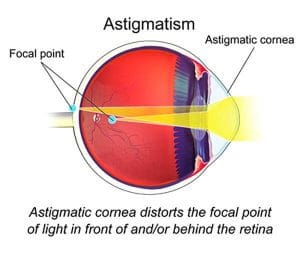
Like LASIK, PRK corrects refractive errors, including nearsightedness, farsightedness and astigmatism, by permanently reshaping the cornea. The similarities end with how the surgeon reaches the cornea.
- LASIK creates a flap in the cornea.
- PRK creates no flap. Instead, the surgeon removes the epithelium, which is the cornea’s outer layer. The epithelium regenerates as you recover.
Because there is no flap, PRK is more suitable for candidates with thinner corneas or dry eye syndrome.
PRK vs LASIK at a Glance
| Elemento | PRK | LASIK |
|---|---|---|
| Corrige | Nearsightedness, farsightedness and astigmatism | Nearsightedness, farsightedness and astigmatism |
| Cornea flap | No se crea ninguna aleta | A flap is created |
| Outer layer (epithelium) | Removed, then regenerates during recovery | No se ha eliminado |
| Idoneidad | More suitable for thinner corneas or dry eye syndrome | The most popular laser vision correction procedure |
| Tiempo de recuperación | Más | Shorter |
Want a deeper look at why healing differs between the two? Read our explanation of why recovery is longer for PRK than LASIK.
¿Quién es un buen candidato para PRK?
Para someterse a PRK, debe calificar como un buen candidato para el procedimiento de corrección de la visión. Algunos de estos factores incluyen:
- Tener al menos 18 años
- Tener una receta estable que no haya cambiado en al menos un año o más
- Estar en buen estado de salud
- No tener ninguna condición ocular preexistente como cataratas.
- Tener una prescripción dentro del rango de tratamiento
¡La única forma de saber si es un buen candidato para PRK es programar una consulta en IQ Laser Vision!
The PRK Recovery Timeline and What To Expect
PRK recovery is the period during which the epithelium regenerates and vision gradually improves. It takes longer than LASIK recovery, but you will not be spending months in bed. Because your surgeon removes the epithelium, it needs time to heal. You can still look forward to seeing visual improvement fairly quickly.
Here is what a basic PRK recovery timeline might look like.
Los primeros días después de PRK
The first few days are the early stage of recovery. Healing has just begun, and how well you respond now affects the rest of your recovery.

You may notice minor discomfort, itchiness or an urge to rub your eyes. No se frote los ojos. Rubbing can make healing more difficult or lead to other concerns.
To support your early recovery:
- Follow your eye doctor’s instructions. Use your medicated eye drops as directed. They help prevent infection, improve your chances of proper healing and ease dryness and itching.
- Wear your eye shields as directed. They protect against accidental rubbing while you sleep and are a necessary part of healing after PRK.
- Limit eye strain. For the first day or two, avoid activities that strain your eyes, including computers and digital devices.
- Manage discomfort. If your eyes feel uncomfortable, you can take over-the-counter pain medication.
- Attend your follow-up appointment. Your surgeon will check that your eyes have started healing and that there are no complications or infections.
Your pre- and post-operative guidance is also covered in our PRK surgery instructions.
Una semana a seis meses después de PRK
In the first week or two, you may notice additional side effects, including:
- Sensibilidad a la luz
- Poor vision at night
- The occasional halo around light sources
These side effects are temporary and should go away on their own. The first month is when most people notice the most significant changes in their vision.
In the weeks and months after your procedure, you will continue to see your eye doctor for follow-up appointments. These visits are a crucial part of recovery, so it is essential to attend all of them.
After about six months, ongoing issues such as dry eyes or itchiness begin to disappear. Your vision should have stabilised, leaving you able to see clearly without visual aids. Your eye doctor may want to see you during this time, possibly just to check that you are happy with your results.
PRK Recovery Timeline Summary
| Fase | ¿Qué puedes esperar? |
|---|---|
| primeros dias | Minor discomfort and itchiness, eye shields, prescribed drops, a follow-up appointment |
| First one to two weeks | Possible light sensitivity, poor night vision and occasional halos |
| Primer mes | Most people notice the most significant changes in vision |
| Alrededor de seis meses | Ongoing issues such as dry eyes or itchiness begin to disappear, and vision should be stable |
How To Improve Your PRK Recovery
Protecting your eyes wherever and whenever you can helps you get the most out of your PRK recovery. These habits make a difference:

- Wear sunglasses outdoors, whatever the weather. They protect your eyes from dust, dirt and allergens, and reduce glare and exposure to wind.
- Carry artificial tears. Keep eye drops in your bag to manage moments of irritation or dryness.
- Use artificial tears instead of rubbing. Rubbing can damage your eyes and slow healing.
- Asista a todas las citas de seguimiento. Your surgeon can only confirm you are recovering correctly by examining your eyes and discussing how you feel.
For general information on the procedure from an independent medical authority, see the American Academy of Ophthalmology’s overview of PRK.
Ready To Find Out If PRK Is Right for You?
If you are looking for a LASIK alternative, PRK could be the right fit. Schedule an appointment at IQ Laser Vision en Los Ángeles, California to find out whether you are a candidate.
Frequently Asked Questions About PRK Recovery
¿Cuánto tiempo dura la recuperación tras la PRK?
PRK recovery takes longer than LASIK recovery. You may see visual improvement fairly quickly, and most people notice the biggest changes in the first month. After about six months, vision should be stable and ongoing issues such as dry eyes or itchiness begin to fade.
Why is PRK recovery longer than LASIK recovery?
During PRK, the surgeon removes the epithelium, the cornea’s outer layer. The epithelium needs time to regenerate, which makes recovery longer than with LASIK, where a flap is created instead.
What side effects are normal after PRK?
In the first week or two, normal temporary side effects include light sensitivity, poor night vision, occasional halos around lights, minor discomfort and itchiness. These should go away on their own.
Can I rub my eyes after PRK?
No. Rubbing your eyes can make healing more difficult or cause other concerns. Wear your eye shields as directed, and use artificial tears if your eyes feel dry or irritated.