Childhood is often associated with carefree days, laughter and bright-eyed visions of the future. But just because life at the earlier years seems simpler than it might as a young or middle-aged adult. Doesn’t mean you should let your child’s vision care slide by your attention.
Kids are spending more time than ever on electrical devices like computers, tablets, gaming consoles and cell phones. And they’re seeing greater decline in their vision from early ages. The American Optometric Association (AOA) found that in 2015, about 41% of parents reported that their kids were spending at least three hours a day in front of a screen. And that number is only growing as the shift to technology continues to grow. The CDC found that in 2016, approximately 36.2% of girls aged 6-17, and 29.1% of boys of the same age, wore glasses or contact lenses.
Be aware of your vision care needs
- Nearsightedness
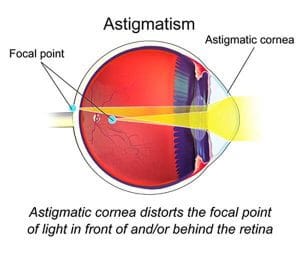
Refractive errors can begin at the earliest ages, especially when they stem from genetic and environmental causes. Though the eye is fully formed and able to focus by about the age of 7. It’s still undergoing a maturing process. While nearsightedness is much more prominent in young adulthood, it often becomes apparent in the formative years. If you find your child is squinting to see distant objects, or experiencing headaches and eye strain, get them checked out early.
Your recommended vision care treatment plan
- Annual eye exams
Though nearsightedness often appears between 9-17 years of age, eyes often don’t achieve full maturity until several years later. Yet during this developmental time, annual eye exams are crucial to maintaining healthy vision. While treatments can help stop the progression of worsening conditions. Or reverse genetic eye condition, regular eye exams are vital to youthful eye health.
- Ortho-K CRT
While regular exams should be part of every life phase, they can help school-aged children in more ways than just clearer vision. The American Optometric Association (AOA) reported that 60% of students labeled as “problem learners” actually had vision problems gone undiagnosed.
By taking preventative measures or early steps to keep your child’s vision solid, you can help set them up for a lifetime of good eye health, vision care and success. Schedule a free consultation today.