Everything You Need to Know

Patient Resources

Access helpful information, guides, and tools to prepare for your vision correction journey.

Educational Videos

Your Center of Excellence for Advanced Eye Care

Know Your Options

What is Blended Vision

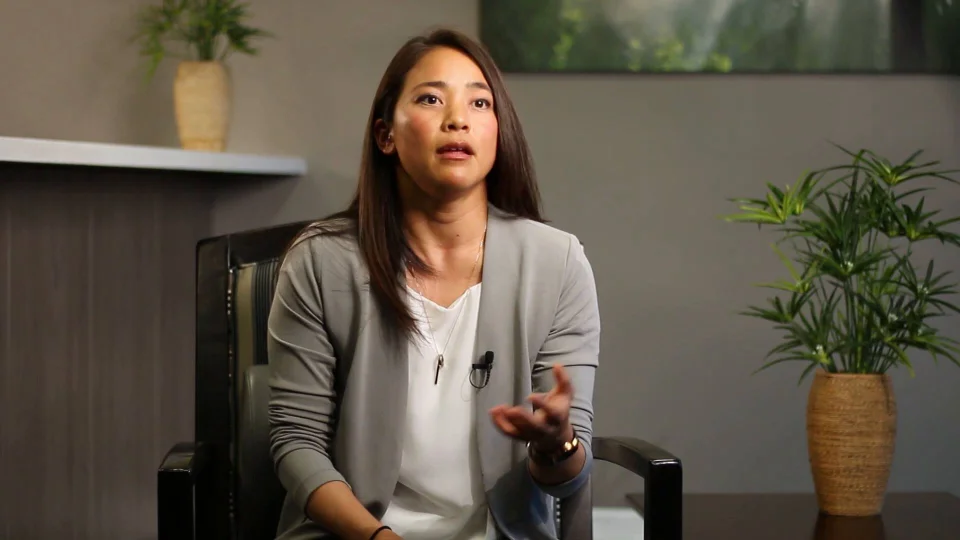
Dr. Pham speaks about RLE

EVO ICL 5 advantages

Over 300,000 Successful Life-Changing Procedures And Counting

670+
google logo Google Reviews

4.9 Average Star Rating

980+
yelp logo Yelp Reviews

5.0 Average Star Rating

270+
facebook logo Facebook Reviews

4.8 Average Star Rating

Frequently Asked Questions

Quick answers to common questions

Most health care companies consider LRI an elective procedure, but it will depend on your coverage plan. IQ Laser Vision does offer NO-INTEREST FINANCING/CARECREDIT

Most patients can return to normal activities the day after the procedure. However, full visual adjustment can take several months.
Patients are generally advised to avoid strenuous physical activity for approximately two weeks after surgery and to follow all post-operative instructions provided by their surgeon.

Yes. Natural age-related vision changes can still occur regardless of whether LASIK has been performed. Conditions such as presbyopia, cataracts, and other age-related eye issues may develop over time.

LASIK permanently corrects current refractive errors such as nearsightedness, farsightedness, and astigmatism, but does not prevent future eye conditions associated with aging.

Night-vision improvement is one of the goals and benefits of the procedure but we will examine you to ensure you are fully recovered enough to do this highly demanding visual activity

Yes. Contact lenses are considered safe when prescribed by an eye care professional and used according to instructions. Maintaining good hygiene, attending regular eye exams, and following replacement schedules are important factors in safe contact lens wear.

Long-term side effects are very rare. Common temporary side effects can include dry eyes, glare, or halos around lights. In rare situations involving insufficient corneal thickness, additional treatment may be required.
Modern LASIK techniques are designed to preserve corneal stability and reduce the likelihood of long-term complications.

No. Once a cataract has been treated it cannot return, because your existing lens is removed. However, over time, some patients may experience “Cataract-like symptoms,” such as cloudy vision. This conditionis known as posterior capsular opacification (PCO), sometimes referred to as “secondary cataract.” This occurs when the capsule which holds the lens becomes cloudy. It is easily treated with a simple procedure called YAG posterior capsulotomy that is quick, painless, and most patients see an improvement in vision clarity within a few days.

Although highly unlikely, an IOL can be removed/replaced with if needed.

The results of ZEISS SMILE are permanent. However, over time all people will experience changes in their near vision, whether or not they have had the ZEISS SMILE procedure. These changes are an effect of the aging process on the crystalline lens– found in the interior of the eye. These near vision changes are treatable and can be corrected.

The laser treatment itself typically takes 20–50 seconds per eye. The full procedure generally takes about 10 minutes from start to finish for both eyes.
Patients should expect to spend approximately two hours at the clinic, including preparation, administration of numbing drops, the procedure itself, and recovery time before being discharged. A driver is required because patients cannot drive themselves home afterward.

The procedure itself typically takes 5 to 10 minutes per eye and is performed as an outpatient surgery. Most patients are in and out of the clinic within a couple of hours, including check-in and brief post-operative monitoring.

Most patients notice improved vision within 4 to 24 hours of surgery and are able to return to work within 1 to 2 days. Full visual stabilisation typically occurs over several weeks as the eye heals and adjusts.

The recovery from SMILE surgery is fast and fairly simple. The incision on the cornea doesn’t need stitches, and after a few days it will heal on its own.

Plan to have somebody drive you home on the day of the procedure, and then rest for the remainder of the day. While you might feel some discomfort, you shouldn’t be in very much discomfort.

Most patients notice a significant difference within a few days after the procedure. You should find that your vision stabilizes within a week of having ZEISS SMILE surgery.

Most patients notice clearer vision within a day or two, with continued improvement over several weeks. You will need a ride home after surgery and must follow your prescribed eye drop schedule. Follow-up visits are usually scheduled within the first day, one week, and one month after the procedure.

Most patients notice clearer vision within a day or two, with continued improvement over several weeks. You will need a ride home after surgery and must follow your prescribed eye drop schedule. Follow-up visits are usually scheduled within the first day, one week, and one month after the procedure.

You will spend only a few hours at the surgery center and will go home the very same day.

Video Thumbnail


0:26


0:00


Typically patients see the most improvement after 1 week.

LASIK in Los Angeles typically costs between $1,500 and $4,000 per eye, with an average price of around $3,000 per eye. For both eyes, most patients pay between $4,500 and $6,000 at a quality provider, including pre-operative testing, the procedure, and post-operative care.

Prices for custom LASIK surgery in Los Angeles range from approximately $1,500 to $4,000 per eye, depending on the complexity of your prescription and the level of treatment required. IQ Laser Vision provides transparent, all-inclusive quotes and offers financing options to spread the cost over monthly instalments.

Most patients return to work and normal daily activities within 1 to 2 days. You should avoid driving and heavy lifting on the first day and follow your surgeon’s full recovery instructions, including the use of prescribed eye drops.

Most insurance companies classify LASIK as an elective procedure and do not cover it. Some plans offer partial discounts or vision benefits, so it is worth checking with your provider. FSAs and HSAs can also be used to pay for LASIK with pre-tax dollars.

You may be a good candidate for LASIK if:

  • You’re at least 18 years of age
  • Your eyes are generally healthy
  • Your prescription has not increased more than 0.5 diopter in the last 12 months

It’s also important to make sure that your overall health is good. Speak with your eye doctor about whether LASIK is right for you.

Yes. Surgical treatments for presbyopia, particularly Refractive Lens Exchange, deliver permanent results. Unlike glasses or contact lenses, RLE replaces the natural lens entirely, meaning vision correction does not regress over time and cataracts cannot develop in the treated eye.

Yes. RLE is a permanent lens replacement surgery. Because the natural lens is removed and replaced with a long-lasting IOL, the results do not regress, and you will never develop cataracts in that eye.

Still Have Questions?

Our patient care team is here to help. Contact us for personalized assistance.