Farsightedness: Recognizing the Symptoms
Farsightedness, medically known as hyperopia, is a common refractive error that affects vision, particularly at close distances. While some individuals may not experience noticeable symptoms, others might encounter various indicators signaling the presence of farsightedness. Recognizing these signs is crucial for timely diagnosis and effective management.
Symptoms Of Farsightedness
- Difficulty with Close Tasks: One of the hallmark symptoms of farsightedness is difficulty performing tasks that require focusing on nearby objects. Reading, sewing, or using a computer screen may become challenging, often leading to strain or discomfort.
- Eyestrain: Farsighted individuals frequently experience eyestrain, especially after prolonged periods of close work. This strain results from the extra effort the eyes exert to focus on nearby objects, leading to fatigue and discomfort.
- Squinting: Squinting is a common reflexive action in farsighted individuals. Narrowing the eyelids temporarily improves focus and clarity, compensating for the difficulty in seeing nearby objects clearly.
- Headaches: Persistent headaches, particularly after engaging in close activities, can indicate underlying farsightedness. The strain on the eyes and associated muscles can trigger tension headaches, impacting daily comfort and productivity.
It’s important to note that while these symptoms are characteristic of farsightedness, not everyone with hyperopia experiences them. Children, in particular, may be farsighted without displaying noticeable signs due to the flexibility of their eye lens, which aids in accommodation between different distances.
Diagnosing Farsightedness
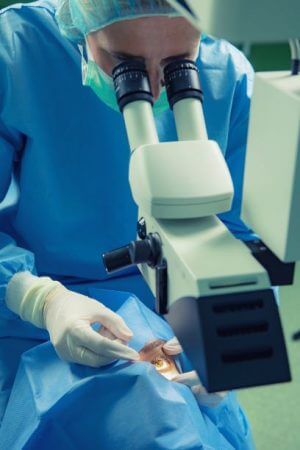
Diagnosing farsightedness requires a comprehensive eye examination conducted by an ophthalmologist or optometrist. Various tools and techniques are employed to assess visual acuity and determine the presence and severity of hyperopia.
- Eye Chart Examination: For individuals who can read letters on an eye chart, an ophthalmologist may use a phoropter to measure their eyeglasses prescription accurately. This process helps diagnose farsightedness and determine the appropriate corrective lenses.
- Retinoscopy: In cases where the patient cannot read an eye chart, such as young children or individuals with communication challenges, a retinoscope is employed. This instrument allows the ophthalmologist to assess how light is refracted inside the eye, accurately measuring the refractive error.
By recognizing the symptoms and undergoing timely diagnosis, individuals with farsightedness can access appropriate corrective measures, such as glasses or contact lenses, or opt for refractive surgery to enhance clarity of vision. Regular eye examinations are essential for maintaining optimal eye health and addressing changes in your vision. If you are experiencing any of the symptoms associated with farsightedness, consulting an eye care professional is recommended for personalized evaluation and management.