20/20 Vision: What you need to know.
What does 20/20 vision actually mean? We will delve into the concept of 20/20 vision, its significance, and what it means for your eye health. Whether you’re curious about what the term entails or seeking insights into maintaining optimal vision, this guide is tailored to provide you with valuable information on understanding 20/20 vision.
What is 20/20 Vision
“20/20 vision” is a way to describe normal eyesight. If you have 20/20 vision, you can see clearly at 20 feet what most people with good vision can also see at that distance. It’s like saying your eyes can see things as clearly as they’re supposed to. This term mainly measures how well you see details, but it doesn’t cover everything about your eyesight, like how well you see to the side, how well you judge distance, or how you see colors. To get the full picture of your eye health, it’s best to have a complete eye exam.
Defining 20/20 Vision
The term “20/20 vision” refers to a standard measurement of visual acuity. Technically, it represents the clarity or sharpness of a particular letter that subtends an angle of 5 arc minutes. When an individual has 20/20 vision, it means they can see a specific letter at a distance of 20 feet that a person with normal vision can also see from that distance.
Understanding the Fraction
The fraction in 20/20 vision denotes a comparison between the individual’s vision and that of a standard observer. The first number (20) indicates the distance at which the test is conducted (in feet), while the second number represents the distance at which a person with normal vision would be able to see the same line of letters on the eye chart. 20/100 vision means that a person with normal vision (20/20) can stand 100 feet away from the eye chart to see the same letter as someone standing only 20 feet away who has 20/100 vision.
Implications of 20/20 Vision
Having 20/20 vision doesn’t necessarily mean one has perfect vision in all aspects. It simply denotes the ability to see clearly at a specific distance. Other visual functions, such as peripheral vision, depth perception, and color vision, also play crucial roles in overall visual health.
Factors Affecting Vision
Eye Health and Genetics
Various factors influence visual acuity, including genetics, age, and eye health. While some individuals may naturally have excellent vision due to genetic predisposition, others may experience changes in vision over time due to aging or underlying eye conditions.
Common Vision Problems
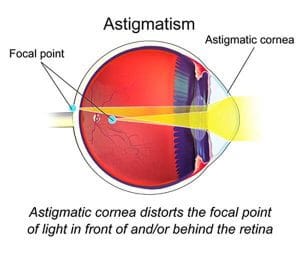
Vision problems such as myopia (nearsightedness), hyperopia (farsightedness), astigmatism, and presbyopia can affect visual acuity. These conditions may require corrective measures such as glasses, contact lenses, or refractive surgery to achieve optimal vision.
Importance of Regular Eye Exams
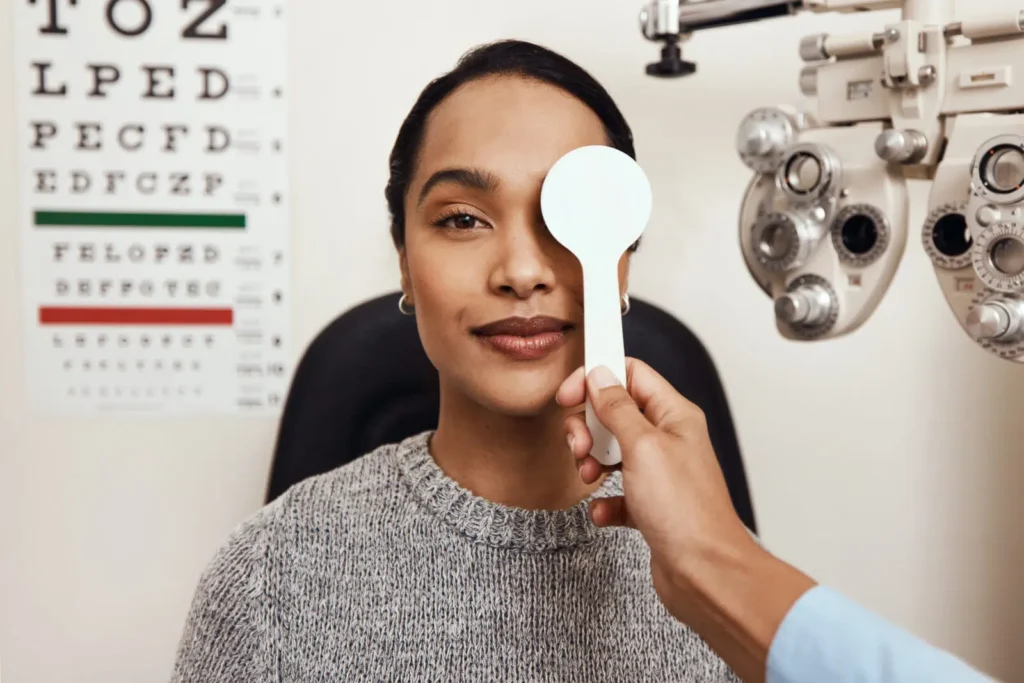
Routine eye exams are essential for maintaining good eye health and detecting any vision abnormalities early on. Eye care professionals can assess visual acuity, screen for eye diseases, and provide recommendations for vision correction or treatment as needed.
Achieving and Maintaining 20/20 Vision
Healthy Lifestyle Habits
Maintaining a healthy lifestyle contributes to overall eye health and can help preserve visual acuity. Eating a balanced diet rich in vitamins and nutrients, staying hydrated, getting regular exercise, and avoiding smoking are all beneficial for eye health.


Proper Eye Care Practices
Practicing good eye hygiene and following proper eye care habits can prevent eye strain and reduce the risk of vision problems. This includes taking regular breaks when using digital devices, wearing protective eyewear when necessary, and ensuring adequate lighting in work and living environments.
Regular Eye Exams
Scheduling regular eye exams with an eye care professional is crucial for monitoring vision changes and addressing any concerns promptly. Early detection and intervention can prevent vision deterioration and ensure optimal eye health in the long run.
In conclusion, understanding 20/20 vision goes beyond merely seeing clearly at a specific distance. It encompasses various factors that contribute to overall visual acuity and eye health. By adopting healthy lifestyle habits, practicing proper eye care, and prioritizing regular eye exams, individuals can strive to achieve and maintain optimal vision for years to come. Remember, your vision is a precious gift – take care of it diligently.