Understanding Myopia Treatment Options
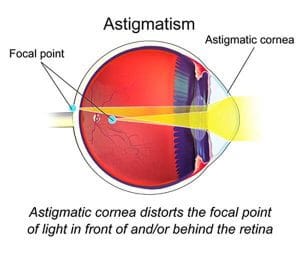
Myopia, commonly known as nearsightedness, is a widespread vision condition that affects how light focuses within the eye. In a healthy eye, light rays converge precisely onto the retina, enabling clear vision. However, with myopia, the eyeball is elongated, or the cornea is excessively curved, causing light rays to concentrate in front of the retina instead. This results in blurred vision for distant objects, while near objects appear relatively clear.
Myopia often develops during childhood and adolescence, and it can progress over time. While not a severe eye disease, uncorrected myopia can significantly affect daily activities like driving, watching television, or recognizing faces from afar. Early diagnosis and proper management are crucial for maintaining good vision and preventing potential complications.
Effective Myopia Treatment Options
Fortunately, there are various effective treatment options available to address myopia and achieve clear vision. The most suitable approach depends on individual factors such as the severity of myopia, age, lifestyle preferences, and overall eye health. Let’s explore the most common myopia treatment methods:
1. Corrective Eyewear: Eyeglasses and Contact Lenses
- Eyeglasses: Glasses are a simple non-invasive solution for myopia correction. They utilize lenses with specific powers to precisely focus light rays onto the retina, restoring clear vision. Modern eyeglasses come in a wide array of styles and materials, allowing for both functionality and personal expression.
- Contact Lenses: Contact lenses offer a wider field of view and a more natural appearance compared to eyeglasses. Rigid gas permeable lenses or soft contact lenses are available, each with distinct advantages and considerations. Consulting an eye doctor to determine the most suitable lens type for your needs and lifestyle is crucial.
2. Refractive Surgery: Permanent Correction for Myopia
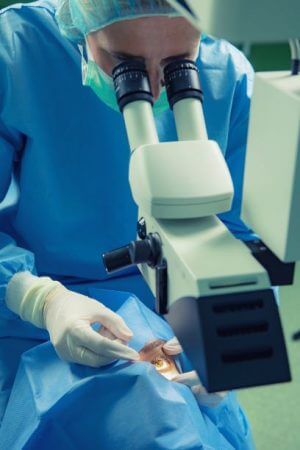
Refractive surgery procedures utilize lasers or implants to reshape the cornea, permanently altering its curvature and enabling light to focus correctly on the retina. These procedures offer a potential long-term solution for myopia correction, reducing or eliminating the need for corrective lenses. Here’s a closer look at some common refractive surgery options:
- LASIK (Laser-Assisted In Situ Keratomileusis): LASIK is a widely performed procedure that involves creating a thin corneal flap, reshaping the underlying corneal tissue with a laser, and then repositioning the flap. This reshaping corrects the focusing issue and improves vision.
- PRK (Photorefractive Keratectomy): PRK is another laser-based procedure that reshapes the cornea to correct vision. Unlike LASIK, PRK removes the epithelium (outer layer of the cornea) before laser ablation. Recovery time for PRK tends to be longer compared to LASIK.
- Other Refractive Surgery Options: Additional procedures like Refractive Lens Exchange (RLE) and Implantable Contact Lenses (ICL) might be considered for specific cases. Consulting a qualified ophthalmologist to discuss candidacy and potential risks and benefits of each procedure is essential.
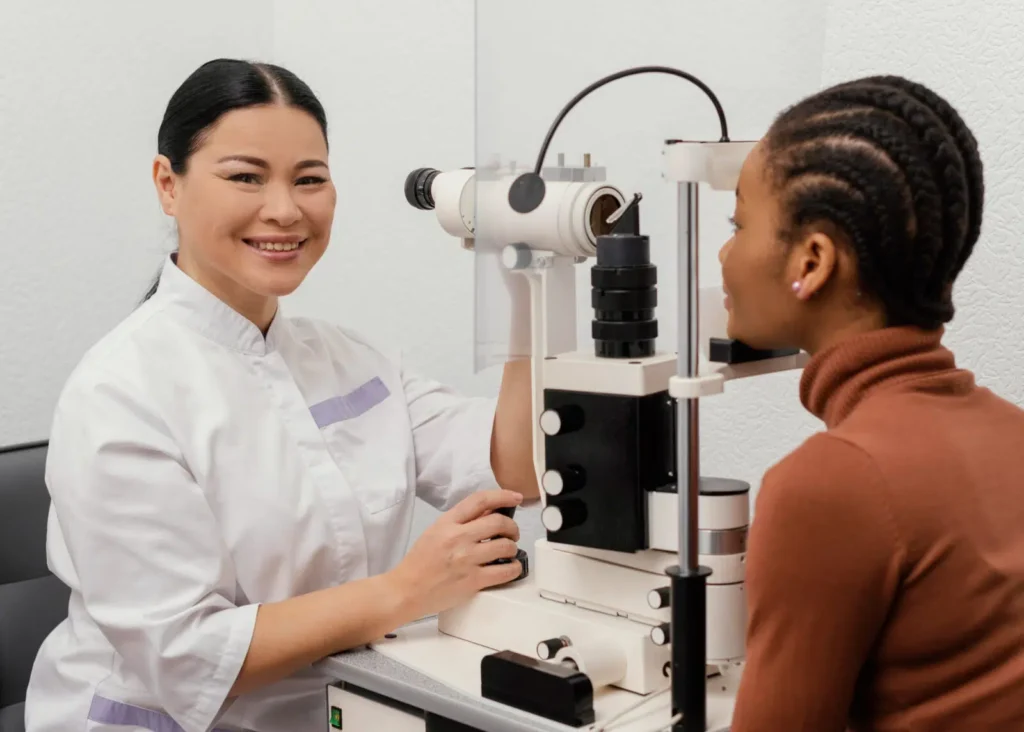
Important Considerations for Refractive Surgery: Refractive surgery is an elective procedure, and it’s not suitable for everyone. Age, corneal thickness, and overall eye health are crucial factors in determining candidacy. Thorough evaluation by an ophthalmologist is necessary before proceeding with any refractive surgery.
Myopia Management Beyond Correction
In addition to corrective lenses and refractive surgery, other strategies can be implemented to manage myopia, particularly in children:
- Increased Outdoor Time: Studies suggest that spending more time outdoors during childhood may help reduce the risk of myopia progression.
- Atropine Eye Drops: Low-dose atropine eye drops may be prescribed by ophthalmologists to slow down the progression of myopia in children.
- Ortho Keratology: A non-surgical treatment involving overnight wear of specially designed contact lenses to temporarily reshape the cornea and correct vision.
Myopia is a prevalent vision condition that can be effectively managed with various treatment options. From corrective lenses to refractive surgery, there’s a solution to achieve clear, sharp vision and enhance your quality of life. Schedule a comprehensive eye exam with a qualified ophthalmologist to discuss the most suitable treatment plan for your specific needs and preferences.