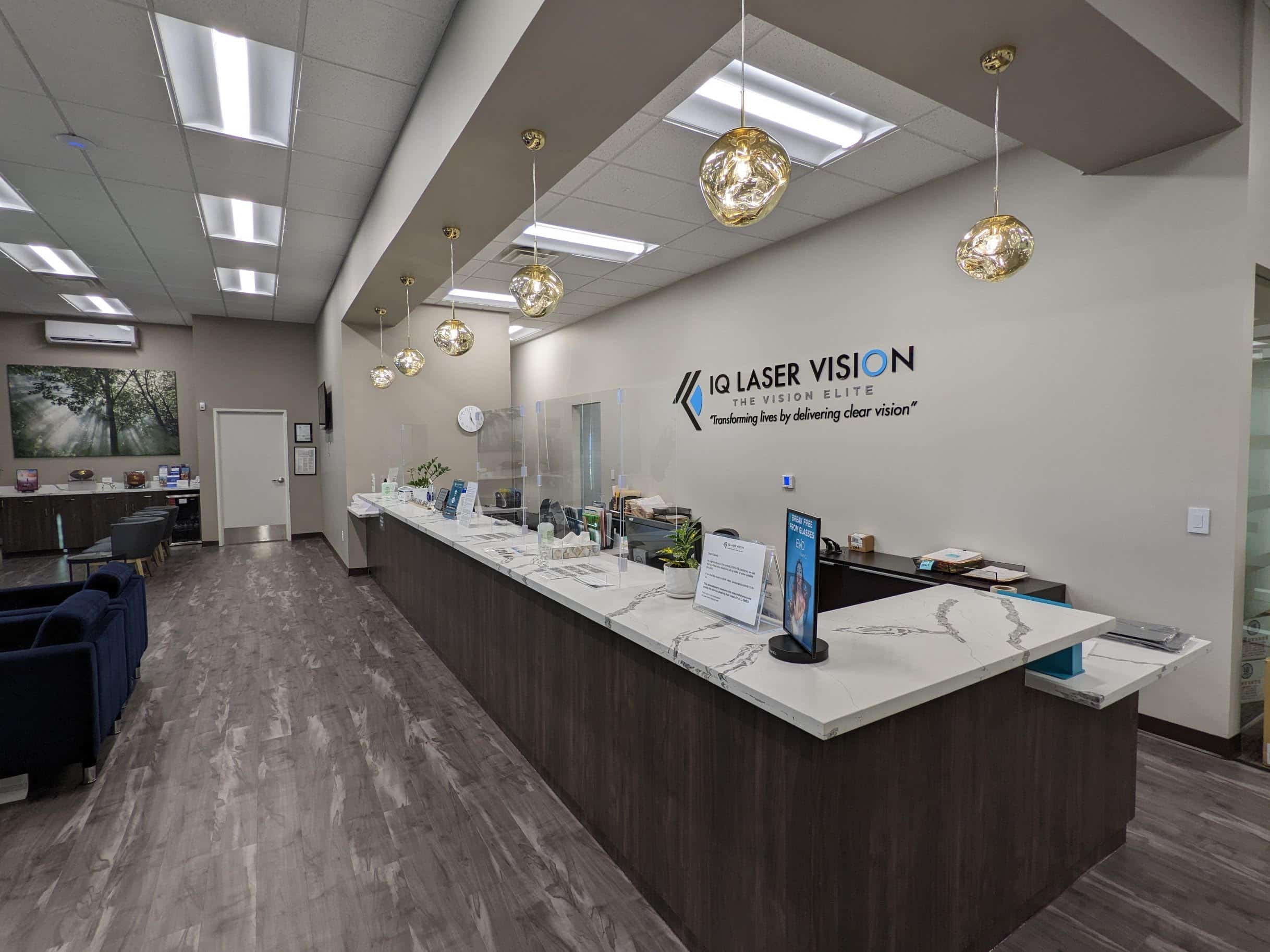
Over 2 billion people worldwide experience vision problems, and while glasses and contacts are common solutions, they come with daily hassles and ongoing costs. Surgical vision correction offers permanent alternatives including laser procedures (LASIK, PRK, SMILE) that reshape the cornea, and lens-based solutions (ICL, RLE) that use implantable lenses. Each option treats different conditions and suits different lifestyles, laser procedures offer quick recovery for younger patients, while lens-based options work well for those with thin corneas or age-related vision changes. A comprehensive eye exam with an ophthalmologist will determine which surgical option best fits your needs.
It is thought that over 2 billion people in the world have vision problems, so if you’re looking for a way to correct your vision, you are definitely not alone. The main solutions for poor eyesight are glasses or contact lenses, which can be great but they also have downsides.
From the feeling of the weight of your glasses on your nose at the end of the working day, to dry eyes caused by contact lenses wear, there are various flaws to these temporary solutions.

Alongside wearing glasses and contacts, there are other options to help your vision, and most of these are surgical. Results of surgical vision correction can be life changing and make you feel that your vision has returned to how it was many years ago.
Tired of the Daily Hassle? The Case for Surgical Vision Correction
Are you tired of the daily hassle of wearing glasses or contacts? Perhaps you have lost your glasses one too many times, or ended up with irritated eyes from your contact lenses. If this feels all too familiar, then surgical vision correction may be a great alternative to suit your needs.
Let’s take a look at some of the key benefits of eye surgery to improve your vision.
- Long term financial savings: Of course, eye surgery can sometimes be costly depending on your circumstances and insurance policies. That said; it can be a great long term investment and offer savings on glasses or contact lenses for years to come.
- Greater convenience: If you have an active lifestyle or enjoy sports, not having to worry about glasses or contacts could be a huge perk. Even just not having to search for your glasses in the morning, worrying about sitting on them by mistake, or being irritated by uncomfortable contact lenses could be life changing. This is the most direct benefit to having surgical vision correction performed.
- Variety of conditions treated: There are many eye conditions and vision problems which can be treated by surgery. Myopia (nearsightedness), hyperopia (farsightedness), astigmatism and age related vision issues are just some of the things which can be managed.
Laser Vision Correction: The Reshaping Options (LASIK, PRK, SMILE)
Laser vision correction procedures can include those which reshape the cornea. Examples of reshaping options which you might have heard of are LASIK, PRK and SMILE. Let’s have a more in-depth look at the differences between these options.
- With LASIK (Laser-Assisted In-Situ Keratomileusis), a thin, hinged flap is created by a laser on the surface of the cornea. The flap is then lifted which allows the tissue underneath to be reshaped. LASIK can be an ideal solution for those with high prescriptions, and recovery can take as little as a week.
- PRK, which stands for Photo Refractive Keratectomy is where the outer layer of the cornea is removed for the tissue beneath to be reshaped. This is slightly more invasive than LASIK and can have a longer recovery time, although it is an option for candidates who may not be suited to LASIK or SMILE.
- Another option is SMILE (Small Incision Lenticule Extraction). This procedure is the least invasive of the three mentioned, as a laser is used to remove tissue through a tiny incision. Recovery is often faster than LASIK and PRK and it also results in the cornea being stronger, due to the preservation of the top layer of tissue.
Which procedure is right for you can depend on factors such as current eye health, vision prescription, your goals and your lifestyle. If one reshaping option isn’t suited to you, it’s likely that one of the others will be.
Lens-Based Correction: The Implantable Solutions (ICL and RLE)
Alongside laser vision correction options, there are also implantable solutions. The most notable ones are ICL (Implantable Collamer Lens) and RLE (Refractive Lens Exchange), which both involve the implantation of an artificial lens in the eye to correct vision.
- ICL surgery involves placing an artificial lens in the eye, whilst also retaining the natural lens. This option can be ideal for younger people and those who have thin corneas which makes them unsuitable for laser treatment. ICL is also reversible and has a fast recovery time – many patients see improvement within just 24 hours.
- RLE is a more invasive procedure which involves removing the eye’s lens and replacing it with an artificial one. It could be well suited to older adults who need reading glasses and those who have early stage cataracts. A great benefit is that vision is corrected permanently, and reliance on glasses is significantly reduced. Both of these solutions can be a great option for those who are not suited to laser surgery.
Which Surgical Option is Right for My Lifestyle?
Choosing which surgical vision treatment you are best suited to can feel confusing, as there are so many options – each with different pros and cons. When deciding which option is for you, it’s best to work with your ophthalmologist to decide which would be of the greatest benefit.
For example, some options are better depending on your age, prescription, and overall eye health.
ICL is often an ideal solution for younger patients who have high myopia or thin corneas, as their natural lens is retained. Older patients who require reading glasses, or who have cataracts, may benefit more from RLE or cataract surgery. With laser options, the cornea is reshaped to correct vision so certain requirements have to be met, for example if you have a thin cornea it may not be ideal.
According to the American Academy of Ophthalmology, laser options are generally less invasive and have a faster recovery time, however, the effect is not always permanent as the natural lens can still change over time, and people with certain prescriptions might not be suitable for laser vision correction.
Taking the First Step: Your Comprehensive Eye Exam and Assessment
With so many options for vision correction to choose from, there will be a perfect solution for you. To get the best outcome, it’s important to work with a reliable ophthalmologist and have a comprehensive eye health assessment conducted. Doing this is the first step to correcting your vision and improving your overall eye health.
Frequently Asked Questions (FAQs)
How do I know which vision correction surgery is right for me?
The best way to determine which surgery suits your needs is through a comprehensive eye examination with an experienced ophthalmologist. They will evaluate factors including your age, prescription strength, corneal thickness, overall eye health, lifestyle, and vision goals. For example, younger patients with high myopia might be ideal candidates for ICL, while those over 50 with presbyopia may benefit more from RLE. Your doctor will recommend the option that offers the best outcomes for your specific situation.
Is surgical vision correction permanent?
The permanence of results varies by procedure. RLE provides permanent vision correction since the artificial lens doesn’t change over time and won’t develop cataracts. LASIK, PRK, and SMILE offer long-lasting results, but your eyes can still change naturally with age, particularly after 40 when presbyopia develops. ICL results are also long-lasting and have the added benefit of being reversible if needed. Your ophthalmologist can discuss expected longevity based on your age and the procedure you choose.
What is the recovery time for different vision correction procedures?
Recovery times vary significantly. SMILE and LASIK typically offer the fastest recovery, with many patients returning to normal activities within a few days and seeing improvement within 24-48 hours. PRK has a longer recovery period of 1-2 weeks due to the removal of the outer corneal layer. ICL patients often notice vision improvement within 24 hours with minimal downtime. RLE recovery typically takes 3-4 days for initial healing, with continued improvement over several weeks. Your surgeon will provide specific guidelines based on your procedure.
Are there age restrictions for vision correction surgery?
Age considerations vary by procedure. LASIK, PRK, and SMILE are typically recommended for patients 18 and older whose prescriptions have stabilized. ICL is often ideal for younger patients (21-45) with stable prescriptions. RLE is most commonly performed on patients over 50, particularly those experiencing presbyopia or early cataracts. However, these are general guidelines—your eligibility depends more on your overall eye health and specific vision needs than age alone.
Will I still need glasses after vision correction surgery?
This depends on the procedure and your vision goals. Many LASIK, PRK, and SMILE patients achieve 20/20 vision or better for distance and may not need glasses for most activities, though reading glasses might be needed after age 40 due to presbyopia. ICL typically provides excellent distance vision but may still require reading glasses. RLE with multifocal lenses can reduce or eliminate the need for glasses at all distances, while monofocal RLE lenses might require glasses for certain tasks. Discuss your expectations with your surgeon to choose the option that best matches your lifestyle.