Pterygium, or “surfer’s eye,” is a benign growth on the eye’s surface caused by prolonged UV exposure, irritation from wind and dust, and genetic factors. While artificial tears and steroid drops provide temporary relief, surgical removal is the only permanent solution to restore clear vision. Modern pterygium surgery uses tissue grafts secured with fibrin glue to remove the growth and prevent recurrence. Surgery becomes medically necessary when the growth affects vision, causes astigmatism, or produces unmanageable symptoms. Recovery takes a few weeks, and following post-operative care instructions, especially sun protection, is crucial to prevent recurrence and ensure optimal outcomes.
Pterygium, also known as surfer’s eye, is an ocular condition where a raised triangular shape grows from the corner of the eye. The main cause of pterygium is long-term exposure to UV light, but it can also be triggered by chronic eye irritation – for example from dust, dry climates, and wind. Genetics may also play a part, meaning that some people are naturally more susceptible to the condition. Alongside this, certain outdoor hobbies or activities can be a risk factor – hence the name “surfer’s eye”.
There are various temporary methods which can help to relieve the symptoms associated with pterygium – such as artificial tears and corticosteroid drops and ointments – but the only way to permanently relieve the condition and restore clear vision is surgical removal.
What is Pterygium (Surfer’s Eye)?
Pterygium is a benign (non cancerous) growth on the eye’s conjunctiva – which is the clear membrane that covers and protects the whites of our eyes. It typically starts in the corner of the eye close to the tear ducts, and gradually grows towards the iris. The growth may appear raised, pink and swollen.
The shape of pterygium is most often triangular – and the word “pterygium” originates from the ancient Greek word “pteryx”, which translates to wing. You may have heard of this condition being called “surfer’s eye” – this is because surfers are at high risk due to their large amount of time spent in the sun, wind and salt – three things which can cause pterygium.
Causes of Pterygium (Surfer’s Eye)
Alongside surfers, there are other groups of people who may be at higher risk of developing pterygium. It’s more common in adults than children and those who spend a lot of time in the sun without sunglasses or adequate eye protection.
As it’s a condition which develops over time, it’s more common in older adults. Due to high levels of UV being a strong risk factor, the condition is also most often seen in warm countries.
As pterygium can be caused by dust, wind, and other irritants, people who work in dusty environments may be more at risk, for example agriculture or construction workers. Another risk factor for surfer’s eye is having dry eyes; this can increase the risk of developing pterygium and exacerbate the condition.
Pterygium Symptoms: When Does it Start Affecting Vision?
The number one symptom of pterygium is redness and irritation, and the feeling of something in the eye – a gritty sensation alongside itching and tearing. At first, the growth does not interfere with vision but as it progresses it can cause blurred vision or other visual disturbances, as pressure is put on the cornea and causes it to change shape.
You may be wondering how serious pterygium is. If it is left untreated for long enough, it can be extremely serious and has the potential to grow large and cover the pupil which then, in turn, causes deterioration of vision. If severe, the condition can also restrict eye movement and cause pain and further irritation.
When is Surgery Medically Necessary vs. Elective?
As you may have guessed, pterygium can be serious and debilitating, but it can also be relatively mild and cause nothing more than some irritation. Pterygium surgery becomes medically necessary when it interferes with vision and causes unmanageable symptoms such as irritation which can no longer be controlled by medication.
When pterygium grows onto the cornea to a level where blurred vision occurs, or if it is growing in that direction, surgery is recommended to prevent future vision problems. Due to the nature of the condition being a growth, it can also alter the shape of the cornea which then induces astigmatism – so it is advisable to surgically resolve the issue before this stage.
If a patients’ symptoms are manageable and the growth does not seem to be progressing fast, it may be advisable to monitor the condition and only have elective surgery. Someone may choose elective surgery for pterygium for cosmetic reasons or if they are struggling to manage the irritation, dryness or itchiness.
The Role of Pterygium Surgery in Restoring Clear Sight
Surgery for pterygium plays a huge role in improving and restoring clear vision. As surgery will remove the growth from the surface of the eye, this will correct visual issues and allow relief from irritation. Surgery may be advisable as either a curative measure or a preventative one.
Through surgery, the primary goal is to remove the pterygium itself from the cornea and any other areas of the eye it has grown onto, with the end goal being improving vision or preventing future vision loss. A goal for some patients may also be for surgical routes to correct astigmatism. For patients experiencing other vision issues alongside pterygium, procedures like LASIK may be considered after pterygium removal and complete healing.
Understanding the Modern Surgical Technique for Treating Pterygium
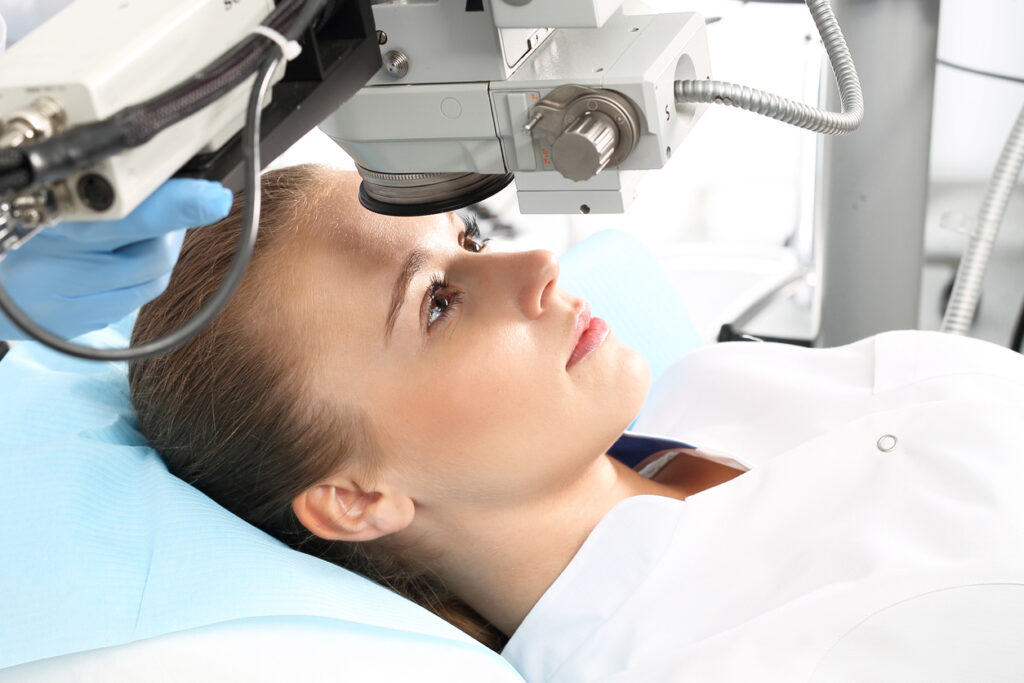
According to the National Eye Institute, during eye surgery for pterygium, the predominant method is to use a graft of tissue – called an autograft – to replace the area where the growth has been removed from.
This is then adhered using a special medical grade adhesive called Fibrin. Fibrin glue is an innovative solution which is made from components of blood. These cells mimic the human body’s natural coagulation process, which aids faster healing.
Historically, cauterisation was the most common surgical method of reducing pterygium, but this is linked with increased rates of recurrence. As medical technology has advanced, we now have new ways of treating the condition with better long term outcomes.
Pterygium Surgery Recovery and Minimizing the Risk of Recurrence
After pterygium surgery, recovery typically takes a few weeks and antibiotic medication will need to be taken for a set period of time to prevent infections. Although operating on the eye is a serious thing, the healing process is faster than you might expect with patients typically only facing disruption for a week or two.
The main thing that you can do after pterygium surgery to prevent recurrence is to follow the aftercare instructions provided by your doctor. Avoiding infection and protecting your eyes from the sun can help shield them from harm and ensure the best outcome.
Recurrence after surgery is not likely, but the most effective treatment for you will depend on your specific circumstances, and the best thing you can do is follow the advice of your eye doctor. For patients with other eye conditions like cataracts, separate procedures such as cataract surgery can be performed after pterygium surgery has healed. Additionally, if you’re considering vision correction options beyond pterygium treatment, refractive lens exchange may be worth exploring with your ophthalmologist.
Frequently Asked Questions (FAQs)
How long does pterygium surgery take?
Pterygium surgery is typically a quick outpatient procedure that takes approximately 30-45 minutes per eye. The surgery is performed under local anesthesia, so you’ll be awake but comfortable throughout the procedure. Most patients can go home the same day and don’t require an overnight hospital stay. Your surgeon will provide detailed pre-operative instructions to help you prepare.
What is the success rate of pterygium surgery?
Modern pterygium surgery using autograft tissue and fibrin glue has a high success rate, with most studies showing recurrence rates of less than 10%. The use of tissue grafts has significantly improved outcomes compared to older surgical techniques. Success depends on several factors including surgical technique, post-operative care, and continued eye protection from UV exposure. Following your doctor’s aftercare instructions carefully is essential for the best results.
Will pterygium grow back after surgery?
While recurrence is possible, it’s relatively uncommon with modern surgical techniques. The risk of pterygium returning is highest in the first year after surgery and decreases over time. You can minimize recurrence risk by wearing UV-protective sunglasses outdoors, using artificial tears if you have dry eyes, avoiding eye irritants like dust and wind when possible, and attending all follow-up appointments. If pterygium does recur, it can be treated again, though prevention is always the best approach.
Can I wear contact lenses after pterygium surgery?
You’ll need to avoid wearing contact lenses for several weeks after pterygium surgery to allow proper healing. Your surgeon will let you know when it’s safe to resume contact lens wear, typically after 4-6 weeks once the eye has fully healed. During the recovery period, you may need to wear glasses instead. It’s important to follow your doctor’s timeline, as wearing contacts too soon could increase infection risk or interfere with healing.
Does insurance cover pterygium surgery?
Insurance coverage for pterygium surgery depends on whether the procedure is considered medically necessary or elective. Most insurance plans, including Medicare, cover pterygium surgery when it affects vision, causes persistent symptoms that don’t respond to conservative treatment, or is growing toward the pupil and threatens future vision loss. Purely cosmetic removal for small, asymptomatic pterygium may not be covered. Check with your insurance provider and surgeon’s office to understand your specific coverage and any out-of-pocket costs before scheduling surgery.